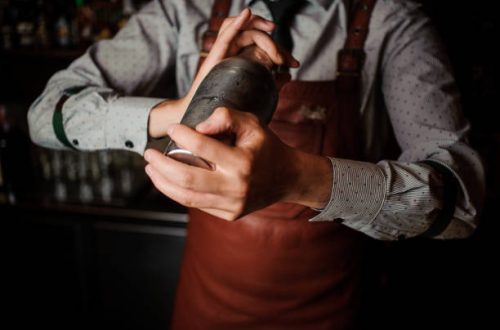
The transition from a casual cocktail enthusiast to a proficient home mixologist is a journey of sensory exploration, technical precision, and creative expression. In recent years, the culture of “drinking at home” has evolved far beyond simple two-ingredient pours. Today, it encompasses a deep understanding of flavor profiles, the physics of dilution, the ethics of sustainability, and the psychological rewards of the craft. This guide serves as a comprehensive roadmap for anyone looking to elevate their home bar experience, integrating traditional methods with modern, eco-conscious innovations.
Mastering the Fundamentals of Home Mixology
Before diving into complex infusions or sustainable garnishes, one must master the foundational mechanics of cocktail construction. Mixology is as much a science as it is an art, requiring an understanding of how ice, movement, and temperature interact with spirits and modifiers.
Essential Tools for the Beginner
To produce professional-quality drinks, you do not need a vast array of expensive equipment, but you do need the “essential five.” These tools allow for the precision required to balance sweet, sour, and bitter elements perfectly.
- The Shaker: Whether a Boston shaker (two tins) or a Cobbler shaker (with a built-in strainer), this is vital for drinks containing citrus, dairy, or egg whites.
- The Jigger: Accuracy is the hallmark of a great bartender. Measuring in increments of 0.5oz and 1oz ensures consistency across every pour.
- The Bar Spoon: A long-handled spoon designed for layered drinks and stirring spirits-forward cocktails without bruising the liquid.
- The Hawthorne Strainer: Used in conjunction with a shaker to keep ice and fruit pulp out of the final glass.
- The Mixing Glass: A heavy-bottomed glass vessel used specifically for drinks that should be stirred rather than shaken.
Shake vs. Stir: The Golden Rule
One of the most common mistakes beginners make is shaking a drink that should be stirred. The rule is simple: if a cocktail contains citrus, cream, or egg whites, it must be shaken. Shaking introduces tiny air bubbles, creating a frothy texture and rapid chilling. Conversely, if a cocktail consists entirely of spirits (like a Negroni or a Manhattan), it must be stirred. Stirring preserves the clarity and silky mouthfeel of the spirits while providing controlled dilution.

Seasonal Inspiration: Harnessing Fresh Ingredients
The secret to a world-class cocktail often lies not in the bottle of gin or vodka, but in the freshness of the secondary ingredients. Aligning your cocktail menu with the seasons ensures that your fruits, herbs, and botanicals are at their peak flavor density.
Spring and Summer: Bright and Botanical
During the warmer months, the focus shifts to high-acid fruits and aromatic herbs. This is the time for “smash” style cocktails and long, refreshing highballs. Utilizing ingredients like basil, mint, strawberries, and cucumber adds a crispness that heavy spirits cannot achieve alone. For example, a strawberry-basil gin fizz relies on the maceration of berries to release natural sugars, reducing the need for processed syrups.
Autumn and Winter: Spice and Depth
As the temperature drops, the palate craves warmth and complexity. This is the season for stone fruits, root vegetables, and warming spices. Ingredients such as cinnamon, cloves, rosemary, and pears take center stage. Infusing a bourbon with charred apple slices or creating a ginger-clove syrup can transform a standard Old Fashioned into a seasonal masterpiece that reflects the environment around you.
| Season | Key Ingredients | Recommended Cocktail Style |
|---|---|---|
| Spring | Rhubarb, Lavender, Peas | Floral Collins, Gin Sours |
| Summer | Watermelon, Peach, Thyme | Margaritas, Fruit Smashes |
| Autumn | Apple, Fig, Sage | Spiced Manhattans, Pear Martinis |
| Winter | Cranberry, Blood Orange, Nutmeg | Mulled Drinks, Negroni Variations |

The Sustainable Bar: Eco-Friendly Mixology Practices
Sustainability in mixology, often referred to as “Green Sips,” is about more than just ditching plastic straws. It is a holistic approach to cocktail making that seeks to minimize waste and maximize the utility of every ingredient. By adopting these practices, you not only help the planet but also discover unique flavor profiles that are often discarded.
Zero-Waste Citrus Management
Citrus is a staple in cocktails, but it generates significant waste. A sustainable bartender looks at a lemon and sees three ingredients: the juice, the zest, and the husk. After juicing, the husks can be used to create an Oleo Saccharum—a flavorful syrup made by macerating citrus peels in sugar to extract their essential oils. Furthermore, dehydrated citrus wheels serve as beautiful, shelf-stable garnishes that prevent fresh fruit from rotting in the fridge.
Local Sourcing and Composting
Reducing your carbon footprint involves sourcing spirits from local distilleries and produce from nearby farmers’ markets. This supports the local economy and reduces transportation emissions. Additionally, implementing a dedicated composting bin for spent herbs, fruit pulp, and eggshells ensures that the “waste” from your home bar returns to the earth to fuel the next harvest.

Inclusive Drinking: Sophisticated Non-Alcoholic Masterpieces
The modern home bar is inclusive. The rise of the “sober curious” movement has led to a revolution in non-alcoholic (NA) and low-ABV (alcohol by volume) cocktails. These are not “mocktails” in the traditional sense—which were often just sugary juices—but complex, adult beverages designed to mimic the bite and depth of traditional spirits.
Building Complexity Without Ethanol
Alcohol provides two things: flavor and “burn.” To replicate this in an NA cocktail, you must use ingredients that stimulate the palate in similar ways. Ginger, chili, and black pepper can provide a heat that mimics the throat-feel of alcohol. Meanwhile, bitters, vinegars (shrubs), and fermented liquids like kombucha provide the acidity and tannins required for a sophisticated finish.
The Art of the Shrub
A shrub is a “drinking vinegar” made from fruit, sugar, and vinegar. It is an essential tool for the NA bartender. The vinegar provides a sharp acidity that cuts through sweetness, much like a spirit does. A blackberry and balsamic shrub topped with sparkling water and a sprig of rosemary offers a level of complexity that rivals any high-end cocktail.

The Psychology of Mixology: More Than Just a Drink
Why do we make cocktails? Beyond the physiological effects of the drink itself, the act of making a cocktail is a deeply psychological and social experience. It is a ritual that marks the transition from the workday to personal time, offering a moment of mindfulness in a fast-paced world.
The Therapeutic Nature of the Process
The rhythmic sound of a shaker, the precise measurement of liquids, and the visual appeal of a well-placed garnish provide a sensory “grounding” effect. For many, the process of mixology is a form of active meditation. It requires focus and intent, allowing the mind to step away from external stressors and engage fully with the task at hand.
Hosting and Social Connection
Serving a handmade cocktail to a guest is an act of hospitality and care. It shows a level of effort and consideration that pouring a glass of wine does not. The psychology of hosting suggests that sharing a unique, curated experience fosters deeper social bonds. Whether it’s explaining the origin of a local gin or the story behind a family-recipe syrup, the cocktail becomes a conversation starter and a medium for connection.

Advanced Techniques for the Home Bartender
Once you have mastered the basics, you can begin to experiment with advanced techniques that add layers of flavor and visual flair to your creations. These methods require more time but yield results that are indistinguishable from the world’s best cocktail bars.
Fat Washing and Infusions
Fat washing is a process where you add a liquid fat (like coconut oil, browned butter, or even bacon fat) to a spirit, let it sit, and then freeze it. The fat solidifies and is skimmed off, leaving behind the flavor and a silky texture without the greasiness. Similarly, long-term infusions with dried spices or toasted nuts can create bespoke spirits that cannot be bought in stores.
The Science of Clarification
Clarification involves removing solids from a liquid to create a crystal-clear cocktail. This can be done using a “milk wash” technique, where citrus in the cocktail curdles added milk, trapping impurities in the curds. When strained, the result is a perfectly clear, shelf-stable, and incredibly smooth drink with a unique creamy mouthfeel despite its transparency.

Essential Cocktail Recipes for Every Occasion
To put these principles into practice, every home bartender should have a repertoire of “template” recipes that can be adapted based on the season and available ingredients.
The Versatile Sour Template
The “Sour” is the foundation of many famous drinks. The ratio is generally 2 parts spirit, 1 part sour (citrus), and 0.75 parts sweet (syrup).
- Whiskey Sour: Bourbon, Lemon, Simple Syrup, Egg White.
- Daiquiri: White Rum, Lime, Simple Syrup.
- Gimlet: Gin, Lime, Simple Syrup.
By swapping the spirit or the type of syrup (e.g., using honey syrup instead of plain sugar), you can create hundreds of variations from a single formula.
The Spirit-Forward Stirred Template
These drinks are designed to highlight the quality of the base spirit. The ratio is typically 2 parts spirit to 1 part fortified wine or modifier.
- Negroni: Equal parts Gin, Sweet Vermouth, and Campari.
- Manhattan: Rye Whiskey, Sweet Vermouth, and Bitters.
These drinks should always be stirred with plenty of ice for at least 30 seconds to achieve the correct dilution and temperature.

Setting Up Your Sustainable Home Bar
Building a home bar is a marathon, not a sprint. To stay sustainable and cost-effective, focus on quality over quantity. Start with “workhorse” spirits—those that are versatile enough to be used in multiple types of cocktails.
Choosing Your Spirits Wisely
Instead of buying ten different bottles of flavored vodka, invest in one high-quality bottle of Bourbon, a versatile London Dry Gin, and a clean Blanco Tequila. From there, you can create your own flavors through infusions. Look for brands that use recycled glass, support fair-trade farming, or use renewable energy in their distillation process to align your bar with eco-friendly values.
Glassware and Presentation
While specific glasses are designed for specific drinks (like the Coupe for “up” drinks and the Rocks glass for “on ice” drinks), you can start with a few multi-purpose vessels. High-quality, thin-walled glass enhances the drinking experience by maintaining temperature and allowing the colors of the cocktail to shine. Upcycling unique glassware from thrift stores is also a great way to add character to your bar while remaining sustainable.

The Art of Presentation and Garnish
We drink with our eyes first. A garnish is not just a decoration; it provides the initial aroma that sets the stage for the first sip. A sustainable approach to garnishing involves using every part of your ingredients and avoiding non-biodegradable elements.
Aromatic Garnishes
Herbs like rosemary and mint should be “clapped” between your hands before being placed in the glass. This bruises the leaves just enough to release the essential oils, providing an immediate aromatic hit. For citrus peels, express the oils over the surface of the drink and around the rim of the glass to ensure the scent lingers throughout the experience.

Troubleshooting Common Mixology Mistakes
Even experienced bartenders face challenges. Understanding why a drink didn’t turn out as expected is the key to improvement.
- Too Sweet: Likely an imbalance in the ratio. Add a touch more citrus or a dash of bitters to provide contrast.
- Too Diluted: This happens if you stir or shake for too long, or if your ice is too small and melts too quickly. Use large, clear ice cubes for stirring.
- Lacks Depth: The drink might need a “bridge” ingredient, such as a tiny pinch of salt or a different type of bitters to tie the flavors together.
Frequently Asked Questions (FAQ)
- Q1: What is the most important rule for a beginner home bartender?
- The most important rule is balance. A great cocktail is a harmony of four elements: spirit (strength), sugar (sweetness), citrus/vinegar (sourness), and water (dilution). Mastering the ratios between these four will allow you to make any drink taste professional.
- Q2: How can I make my home cocktails more sustainable?
- Start by practicing zero-waste citrus management. Use the peels for Oleo Saccharum or dehydrated garnishes, and compost the remains. Additionally, source your ingredients locally and choose spirits from distilleries with transparent environmental policies.
- Q3: Why does my shaken cocktail look “dead” or flat?
- This usually happens due to insufficient aeration. Ensure you are using enough ice and shaking vigorously for at least 12-15 seconds. If the drink contains egg whites or aquafaba, try a “dry shake” (shaking without ice first) followed by a “wet shake” (with ice) to build a thick, stable foam.
- Q4: Can I make high-quality cocktails without any alcohol?
- Absolutely. The key is to focus on complexity and mouthfeel. Use botanical distillates, homemade shrubs, and bitter modifiers to replace the depth of spirits. Ingredients like ginger, kombucha, and tea infusions can provide the structure that alcohol usually offers.
- Q5: What is the shelf life of homemade syrups and shrubs?
- Simple syrups (1:1 sugar to water) typically last about 2-4 weeks in the fridge. Rich syrups (2:1 sugar to water) can last 6 months or more. Shrubs, thanks to the preservative nature of vinegar, can often last up to 6-12 months when refrigerated properly.