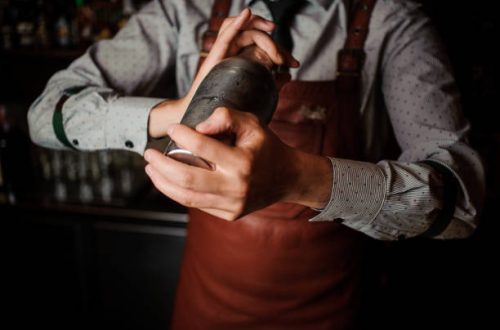
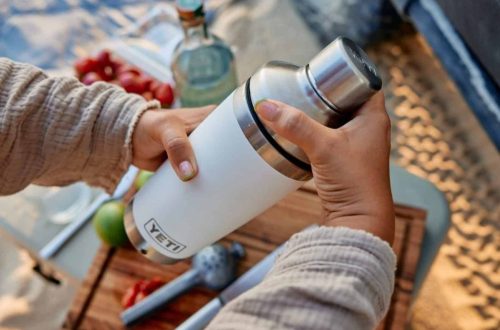
The allure of crafting the perfect cocktail at home is undeniable, transforming ordinary evenings into sophisticated experiences. At the heart of this transformation lies an indispensable tool: the cocktail shaker. Far from a mere container, a well-chosen and properly utilized shaker is the cornerstone of mixology, enabling the precise chilling, dilution, and blending of ingredients to create harmonious flavors and captivating textures. This guide aims to demystify the world of cocktail shakers, providing an exhaustive exploration into their types, optimal usage, and essential care, ensuring that every drink you shake is a testament to your burgeoning bartending prowess. From the foundational principles of aeration to the subtle art of dilution, we will uncover the secrets to mastering this vital bar instrument, empowering you to create unforgettable home bar experiences.
Understanding Cocktail Shakers: Types and Their Nuances
The world of cocktail shakers is diverse, offering various designs, each with its unique advantages and ideal applications. Understanding these differences is crucial for any aspiring home mixologist, as the choice of shaker can significantly impact the preparation process and the final quality of your drink. While the core function remains consistent—to mix, chill, and dilute—the mechanics and user experience vary considerably between models.
The Classic Cobbler Shaker: Simplicity and Style
The Cobbler shaker is perhaps the most recognizable type, distinguished by its three-piece design: a main tin, a built-in strainer, and a cap. Its integrated strainer makes it particularly appealing to beginners, as it eliminates the need for an additional bar tool. Often crafted from stainless steel, Cobbler shakers are lauded for their aesthetic appeal and ease of assembly.
- Components and Ease of Use: The three distinct parts fit snugly together, forming a leak-resistant seal when properly assembled. This design simplifies the shaking process, allowing users to focus on technique rather than managing multiple tools.
- Ideal for Beginners: Its all-in-one nature means fewer moving parts and less equipment to handle, making it a forgiving choice for those new to cocktail crafting. The integrated strainer ensures a smooth pour without needing to purchase or learn to use a separate Hawthorne or Julep strainer.
- Maintenance Considerations: While convenient, the built-in strainer can sometimes clog with muddled ingredients or ice shards. Additionally, the tight seal, especially after chilling, can sometimes make the cap difficult to remove, a common point of frustration for some users. Regular cleaning of all three components is essential to prevent residue buildup.
The Professional Boston Shaker: Versatility and Performance
Favored by professional bartenders worldwide, the Boston shaker is a two-piece design known for its versatility and efficiency. It typically consists of a large metal tin and a smaller mixing glass or a second, smaller metal tin. This design allows for rapid chilling and easy straining with a separate Hawthorne or Julep strainer.
- Two-Piece Design: Glass vs. Tin: The traditional Boston shaker pairs a large metal tin with a tempered mixing glass. A more modern and increasingly popular variation uses two metal tins of different sizes, which is often preferred for its durability and superior chilling capabilities. The metal-on-metal seal offers excellent insulation and a tighter, more reliable closure.
- Mastering the Seal: Achieving a proper seal with a Boston shaker requires a bit of practice. The smaller component is typically inserted into the larger one with a firm tap to create a vacuum seal. This seal is robust and prevents leaks, but also requires a specific technique to break open after shaking.
- When to Choose a Boston Shaker: This type is ideal for experienced mixologists or those committed to learning advanced techniques. Its wider opening makes it easier to add ingredients, muddle directly inside, and accommodate larger ice cubes for faster chilling. It’s also easier to clean than a Cobbler shaker due to its simpler design.
The Elegant Parisian (French) Shaker: A Blend of Both Worlds
The Parisian shaker, sometimes referred to as a French shaker, offers a sophisticated compromise between the Cobbler and Boston styles. It features a two-piece, metal-on-metal design similar to a Boston shaker but with the elegant, rounded contours reminiscent of a Cobbler. Unlike the Cobbler, it does not have a built-in strainer, requiring a separate one.
- Aesthetic Appeal and Functionality: The Parisian shaker is celebrated for its sleek, stylish appearance, often found in high-end bars and home collections. Its seamless, streamlined body is visually appealing and comfortable to hold. Functionally, it offers the robust seal and efficient chilling of a two-piece shaker while maintaining a more refined silhouette.
- Comparison to Cobbler and Boston: While it shares the two-piece structure with the Boston, its lack of a built-in strainer differentiates it from the Cobbler. It requires the same supplementary straining tools as a Boston shaker but provides a more elegant user experience, often favored by those who prioritize both form and function.

Choosing Your Perfect Cocktail Shaker: What to Look For
Selecting the right cocktail shaker is a personal decision that can significantly enhance your home bartending journey. Beyond the basic types, several critical factors should influence your choice, ensuring the shaker not only meets your functional needs but also complements your style and frequency of use. A thoughtful selection process will lead to a tool that you truly enjoy using for years to come.
Material Matters: Stainless Steel, Glass, and Beyond
The material of your cocktail shaker directly impacts its durability, chilling efficiency, and even the taste neutrality of your drinks.
- Durability and Insulation: Stainless steel is the gold standard for shakers due to its exceptional durability, resistance to corrosion, and excellent thermal conductivity for rapid chilling. It’s also virtually unbreakable, making it a reliable long-term investment. Glass components, while elegant for mixing, are more fragile and offer less insulation.
- Taste Neutrality: High-quality stainless steel is non-reactive, ensuring that your cocktails retain their intended flavors without any metallic aftertaste. Lower-grade metals or plastic components can sometimes impart unwanted flavors, especially with acidic ingredients.
- Aesthetic Appeal: While functionality is paramount, the visual appeal of a shaker is also a factor. Stainless steel shakers come in various finishes (polished, brushed, matte), and some feature decorative elements. Glass shakers offer a classic, transparent look, allowing you to see the mixing process.
Capacity and Size: Matching Your Needs
The volume of your shaker should align with the typical number of drinks you intend to prepare at once.
- Individual vs. Batch Cocktails: For single servings or small gatherings, a standard 18-ounce (500ml) Cobbler or a 28-ounce (800ml) Boston tin paired with a 16-ounce (470ml) glass is usually sufficient. If you frequently entertain larger groups or prepare batch cocktails, opting for larger Boston tins (e.g., 28oz and 18oz tins) will be more efficient.
- Storage Considerations: Consider the space available in your home bar or kitchen. Larger shakers require more storage, while compact models are ideal for smaller areas. Some shakers are designed to nest, saving valuable cabinet space.
Ergonomics and Feel: Comfort in Hand
A shaker should feel comfortable and secure in your hands, particularly during vigorous shaking.
- Weight and Balance: A shaker that is too light might feel flimsy, while one that is too heavy can cause fatigue. The ideal shaker has a balanced weight that feels substantial but manageable, allowing for a confident grip.
- Lid Fit and Seal: For Cobbler and Parisian shakers, ensure the cap and body fit snugly without being excessively difficult to remove. For Boston shakers, test the seal to ensure it forms securely with a gentle tap but can be broken open without undue force. A reliable seal prevents leaks and ensures efficient chilling.
Integrated Strainers vs. Separate Tools
This is a fundamental design choice that impacts your workflow and the additional tools you’ll need.
- Cobbler’s Built-in Strainer: The convenience of a built-in strainer is a major draw for Cobbler shakers. It simplifies the setup and cleanup. However, the perforations might be too large for very fine straining (e.g., pulp from muddled fruits), and it can be prone to clogging.
- Fine-Mesh and Julep Strainers for Boston Shakers: Boston and Parisian shakers require a separate strainer. This offers greater flexibility. A Hawthorne strainer is excellent for holding back ice and larger solids, while a fine-mesh strainer is essential for “double straining” to remove small ice shards, fruit pulp, or herb fragments, resulting in a perfectly clear cocktail. A Julep strainer is often used for stirred drinks in a mixing glass.

Mastering the Shake: Techniques for Flawless Cocktails
Shaking a cocktail is more than just vigorous agitation; it’s a precise technique designed to achieve optimal chilling, dilution, and aeration. The goal is to rapidly bring the ingredients to a near-freezing temperature, introduce the perfect amount of water from melting ice, and incorporate air to create a desirable texture and mouthfeel. Mastering this art elevates a simple mix into a complex, balanced libation.
The Importance of Ice: Chill and Dilution
Ice is not merely for chilling; it is a critical ingredient that contributes to the cocktail’s structure and flavor profile through controlled dilution.
- Types of Ice and Their Impact: Large, dense ice cubes (often 1×1 inch or larger) are preferred for shaking. They melt slower than smaller, crushed, or hollow ice, allowing for controlled dilution and minimizing over-watering. Small or crushed ice can over-dilute a drink too quickly, leading to a watery, flavorless cocktail.
- Optimal Ice Quantity: Fill your shaker about two-thirds to three-quarters full with fresh, cold ice. This ensures maximum surface area for efficient chilling and proper dilution. Using too little ice will result in insufficient chilling and excessive dilution from rapid melting.
The Proper Grip and Motion: Aeration and Integration
The way you hold and move the shaker influences the chilling speed, aeration, and how thoroughly ingredients are combined.
- Forward and Backward vs. Up and Down: A common and effective shaking motion is a brisk, horizontal back-and-forth movement, ensuring the ice travels the full length of the shaker. Some prefer an over-the-shoulder, vertical motion. The key is consistency and vigor. Avoid simply swirling; the ice needs to crash against the ingredients.
- Achieving the “Perfect Chill”: Shake with conviction for approximately 10-15 seconds for most cocktails. For drinks with egg whites or cream, a “dry shake” (without ice) followed by a “wet shake” (with ice) is often employed to maximize aeration and create a rich, frothy texture. The outside of the shaker should be thoroughly frosted, indicating the contents are sufficiently chilled.
Knowing When to Stop: The Sound and Feel
Beyond a timer, experienced bartenders rely on sensory cues to determine when a cocktail is perfectly shaken.
- Visual Cues (frost): The most obvious sign is the condensation and frost forming on the exterior of the metal shaker. This indicates that the internal temperature has dropped significantly.
- Auditory Cues: As the ice melts and rounds at the edges, the sound of the ice rattling inside the shaker will change. It will become less sharp and more muted or “sloshy” as the drink achieves optimal dilution.
Troubleshooting Common Shaking Issues
Even seasoned mixologists encounter challenges; knowing how to address them ensures consistent quality.
- Leaking Shakers: This often occurs with Cobbler shakers if the cap isn’t seated firmly, or with Boston shakers if the tins aren’t sealed correctly. Ensure all parts are clean and properly aligned before shaking.
- Over-dilution: Using too much ice or shaking for too long with small, wet ice can lead to a watery drink. Use fresh, large ice cubes and monitor the shaking time.
- Difficult to Open Lids: The vacuum created by chilling can make Cobbler shaker caps or Boston shaker tins difficult to separate. For Cobblers, tap the side of the cap with the heel of your hand. For Boston shakers, tap the seam where the two tins meet sharply against a counter edge or with the heel of your hand. The expansion and contraction of the metal due to temperature changes play a significant role here.

Beyond the Shaker: Essential Home Bar Accessories
While the cocktail shaker is central to many drink preparations, a well-equipped home bar requires a suite of complementary tools. These accessories work in concert with your shaker to ensure precision, efficiency, and a professional finish for every cocktail. Investing in quality bar tools not only streamlines your process but also elevates the entire experience of crafting beverages.
Jiggers and Measuring Tools: Precision is Key
Accurate measurement is fundamental to cocktail consistency. A jigger, typically a double-ended measuring cup with varying capacities (e.g., 1 oz and 2 oz, or 0.5 oz and 1.5 oz), ensures precise pours, maintaining the delicate balance of flavors intended by the recipe. Without proper measurement, even the finest ingredients can result in an unbalanced drink.
Muddlers: Releasing Flavors
A muddler is used to gently crush and bruise fresh ingredients like herbs, fruits, and spices directly in the shaker or mixing glass. This action releases essential oils, juices, and aromas, adding depth and complexity to cocktails like mojitos and old fashioneds. Look for muddlers made of wood or stainless steel with a flat or slightly textured base, avoiding varnished wood that can chip or plastic that can impart flavors.
Strainers (Julep, Hawthorne, Fine Mesh): Achieving Clarity
For shakers without a built-in strainer (Boston and Parisian), or for double-straining, dedicated strainers are indispensable.
- Hawthorne Strainer: Features a coiled spring that fits over the mouth of the shaker, holding back ice and larger solids while allowing liquid to pass through. Its flexible spring can adjust to various shaker sizes.
- Julep Strainer: Originally designed for straining mint juleps, this spoon-shaped strainer is best suited for stirred drinks prepared in a mixing glass, fitting snugly over the glass to hold back ice.
- Fine-Mesh Strainer: Used in conjunction with a Hawthorne or Julep strainer for “double straining.” This ensures a silky-smooth cocktail by removing tiny ice shards, pulp, or herb fragments, particularly crucial for drinks served “up” (without ice).
Bar Spoons: Stirring, Layering, and More
A long, twisted bar spoon is a versatile tool used for stirring cocktails (especially spirit-forward ones that don’t require aeration), layering ingredients, and even measuring small amounts of liquid (typically 5ml or 1 teaspoon). The twisted handle facilitates smooth stirring, while the long shaft reaches the bottom of tall mixing glasses or shakers.
Ice Buckets and Tongs: Presentation and Practicality
An ice bucket keeps your ice supply chilled and readily accessible throughout your bartending session, preventing premature melting. Paired with tongs, it ensures hygienic handling of ice, maintaining the cleanliness of your workstation and the integrity of your drinks. These tools contribute to both the practical workflow and the professional presentation of your home bar.

Care and Maintenance: Extending the Life of Your Shaker
Proper care and maintenance are crucial for preserving the longevity, appearance, and hygienic integrity of your cocktail shaker and other bar tools. Neglecting these steps can lead to corrosion, unpleasant odors, and diminished performance over time. A few simple habits can ensure your equipment remains in pristine condition, ready for countless cocktail creations.
Immediate Cleaning: Preventing Stains and Odors
The most important rule for bar tool maintenance is to clean them immediately after use. Residual sugars, acids, and alcohol can become sticky, stain, or foster bacterial growth if left to dry. Rinsing thoroughly with warm water immediately after use helps to prevent buildup and makes subsequent cleaning much easier. This is particularly important for shakers that have held muddled fruits or creamy ingredients.
Hand Washing vs. Dishwasher: Material-Specific Care
While many stainless steel shakers are advertised as dishwasher-safe, hand washing is generally recommended for optimal care and to prolong their lifespan.
- Hand Washing: Use warm, soapy water and a soft sponge or brush to clean all components of your shaker. Pay special attention to seams, crevices, and built-in strainers where residue can accumulate. Hand washing prevents potential damage from harsh dishwasher detergents, high heat, and abrasive contact with other items, which can dull finishes or warp delicate parts.
- Dishwasher Considerations: If using a dishwasher, place stainless steel components on the top rack and ensure they are not touching other metal items to prevent scratching or galvanic corrosion. Avoid washing any glass components with metal, as this can lead to scratching. Always check the manufacturer’s specific care instructions.
Proper Drying and Storage: Avoiding Rust and Tarnish
After washing, thorough drying is essential to prevent water spots, rust, and tarnish, especially on stainless steel.
- Air Drying: Allow all components to air dry completely on a drying rack before reassembling or storing. Ensure no water collects in the seams or under the rim of Cobbler shaker caps.
- Towel Drying: For a spotless, polished finish, wipe down stainless steel shakers with a clean, lint-free cloth immediately after washing. This helps prevent water marks and maintains the shine.
- Storage: Store shakers in a dry place, ideally disassembled or with components slightly separated to allow for air circulation. This prevents moisture buildup and inhibits the growth of mold or mildew, especially in the tight seals of Cobbler shakers.
Deep Cleaning and Polishing
Periodically, your shaker might benefit from a deeper clean or polish, particularly if it’s made of stainless steel and you wish to restore its luster.
- Vinegar Solution: For stubborn water spots or mineral deposits, a solution of white vinegar and water can be effective. Soak the components for 15-30 minutes, then scrub gently and rinse thoroughly.
- Stainless Steel Polish: For maintaining a brilliant shine, a dedicated stainless steel cleaner and polish can be used. Apply sparingly with a soft cloth and buff to a high sheen, following product instructions.

Conclusion: Embrace Your Inner Mixologist
The journey into home mixology is a rewarding one, filled with the joy of creation and the pleasure of sharing expertly crafted drinks. At the core of this journey, the cocktail shaker stands as an iconic and indispensable tool. From understanding the nuanced differences between Cobbler, Boston, and Parisian styles to mastering the art of the perfect shake, every detail contributes to the final masterpiece in your glass. By carefully selecting your shaker, embracing proper techniques for chilling and dilution, and committing to diligent care and maintenance, you equip yourself not just with tools, but with the confidence to experiment, innovate, and delight.
Remember, the best cocktail shaker is ultimately the one that feels right in your hand and inspires you to explore new recipes and flavors. It’s an investment in countless unforgettable moments, transforming simple ingredients into liquid art. So, gather your spirits, fresh ingredients, and your trusty shaker, and embark on your next thrilling adventure behind the home bar. Cheers to your newfound expertise and the exquisite cocktails yet to come!
Frequently Asked Questions (FAQ)
- Q1: What is the main difference between a Boston shaker and a Cobbler shaker?