In the modern world, coffee is more than just a morning stimulant; it is a sophisticated ritual and a cornerstone of productivity in both residential and professional environments. However, the sheer variety of equipment available—ranging from simple manual drippers to complex, multi-boiler espresso systems—can be overwhelming. This pillar page serves as your definitive resource for navigating the landscape of coffee technology, ensuring you make an informed investment and maintain your equipment for peak performance.
Understanding the Diverse Types of Coffee Machines
Before selecting a machine, one must understand the mechanical and chemical differences in how various devices extract flavor from the coffee bean. Each machine type offers a distinct profile of body, acidity, and clarity.
Espresso Machines: The Gold Standard of Customization
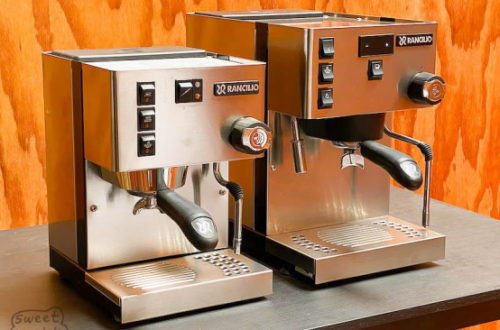
Espresso machines are the pinnacle of coffee engineering, using high pressure (typically 9 bars) to force water through finely-ground coffee. These are generally categorized into three types:
- Manual (Lever) Machines: These require the user to manually pump a lever to create pressure. They offer the highest level of control but require significant skill.
- Semi-Automatic: The most popular choice for enthusiasts. The machine manages temperature and pressure, but the user decides when to start and stop the shot.
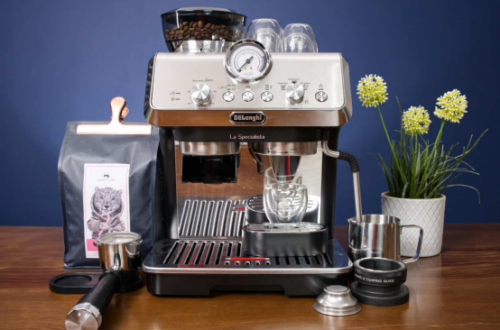
- Super-Automatic: These machines handle everything from grinding the beans to frothing the milk at the touch of a button, prioritizing convenience over granular control.
Drip Coffee Makers and Pour-Over Systems
Drip coffee makers are the workhorses of the American kitchen. They work by dripping hot water over a bed of grounds in a filter. While standard machines are automated, manual pour-over methods like the V60 or Chemex allow for precise control over water temperature and flow rate, resulting in a cleaner, more nuanced cup of coffee.
Capsule and Pod Machines
Designed for the ultimate convenience, these machines use pre-packaged coffee portions. While they offer consistency and speed, they often lack the freshness of freshly ground beans and can have a higher cost-per-cup and environmental impact if not using recyclable pods.

Key Factors for Choosing Your Ideal Coffee Machine
Selecting the right machine requires a balance between your sensory preferences, your lifestyle, and your technical willingness to engage with the brewing process. Consider the following dimensions before making a purchase.
Brewing Capacity and Speed
A single-person household might thrive with a single-serve AeroPress or a small espresso machine. Conversely, a large family or a busy office requires a machine with a large reservoir and the ability to brew multiple cups rapidly. Thermal carafe models are excellent for keeping large batches hot without “cooking” the coffee on a warming plate.
Technical Specifications and Features
High-end machines often feature PID Controllers (Proportional-Integral-Derivative) to maintain ultra-stable water temperatures, which is critical for consistent extraction. Other features to look for include programmable start times, built-in grinders (burr grinders are superior to blade grinders), and milk frothing capabilities (steam wands vs. automatic frothers).
| Machine Type | Skill Level Required | Best For | Maintenance Level |
|---|---|---|---|
| Espresso | High | Flavor intensity and latte art | High (Daily cleaning) |
| Drip Coffee | Low | Volume and convenience | Medium (Weekly cleaning) |
| French Press | Medium | Full-bodied, textured coffee | Low (Rinse after use) |
| Pod Machines | Very Low | Speed and zero mess | Low (Monthly descaling) |

Home vs. Office: Identifying the Best Fit
The environment in which a machine operates dictates its required durability and ease of use. A machine that excels in a quiet kitchen may fail in a high-traffic breakroom.
Residential Considerations
For home use, footprint and aesthetics are often prioritized. Since the volume is lower, you can afford to use manual methods that take 5-10 minutes. Quiet operation is also a major factor for those who brew early in the morning while others are sleeping.
Office and Professional Environments
In an office, the “user experience” must be foolproof. Super-automatic machines are usually the best choice here, as they prevent the mess associated with loose grounds and require no training to operate. Durability is paramount; look for machines with commercial-grade components and large waste bins for used grounds.

Comprehensive Maintenance and Troubleshooting
The longevity of a coffee machine is directly proportional to the rigor of its maintenance schedule. Coffee oils can turn rancid, and mineral buildup can destroy internal heating elements.
The Critical Importance of Descaling
Limescale is the number one killer of coffee machines. Depending on the hardness of your water, minerals like calcium and magnesium build up inside the boiler and pipes. You must descale your machine every 1-3 months using a dedicated citric acid-based solution. Failure to do so leads to reduced water flow, inconsistent temperatures, and eventually, total mechanical failure.
Daily and Weekly Cleaning Rituals
For espresso machines, “backflushing” with a cleaning agent is necessary to remove oils from the group head. For drip machines, the carafe and filter basket should be washed with soap and water after every use. Always use filtered water to significantly reduce the frequency of deep cleanings and improve the taste profile of your coffee.
Common Troubleshooting Steps
- Weak Coffee: Often caused by water that isn’t hot enough or a grind size that is too coarse.
- Bitter Taste: Usually a sign of over-extraction, water that is too hot, or a dirty machine.
- Leaking: Frequently due to worn-out rubber gaskets or O-rings which should be replaced annually.
Frequently Asked Questions (FAQ)
- Q1: How often should I descale my coffee machine?
- It depends on water hardness. For hard water areas, once a month is recommended. For soft water or if using filtered water, every three months is generally sufficient. Always monitor the “descale” indicator light if your machine has one.
- Q2: Is a burr grinder really better than a blade grinder?
- Yes, significantly. Burr grinders crush the beans into uniform particles, which ensures even extraction. Blade grinders chop beans into inconsistent sizes, leading to a cup that is simultaneously bitter and sour.
- Q3: Can I use tap water in my coffee machine?
- While you can, it is not recommended. Tap water contains minerals that cause scale buildup and chlorine that can negatively affect the flavor of the coffee. Using a basic charcoal filter or bottled spring water is ideal.
- Q4: Why does my espresso taste sour?
- Sourness is usually a sign of under-extraction. This happens if the water temperature is too low, the grind is too coarse, or the brewing time was too short. Try a finer grind or ensuring the machine is fully pre-heated.
- Q5: What is the average lifespan of a home coffee machine?
- A well-maintained drip machine can last 5-10 years, while a high-end espresso machine with replaceable parts can last 15 years or more. Low-cost pod machines typically have a shorter lifespan of 3-5 years.